剧情简介
【总路线】Due to some common interests between German and Russian aristocracy ( the Russians even had aristocrats in their past not to mention they had an Empress called Catherine the Great, as great as this German count's heiresses… ), it is not strange that this Teutonic count has understood and even enjoyed Herr S. M. Eisenstein's Staroye I Novoye. It is not very usual that for the aristocracy to enjoy Bolshevist films full of proletarian demands that put private property at risk or as it happens in this case, a film about the Communist Party's policy on the subject of the collectivization of the Soviet agriculture. Normally this would be perfect gibberish for this German count, but thanks to Herr Eisenstein 's greatness and directorial talent, the hardships of the heroine of the film, Dame Marfa ( Dame Marfa Lapkina ) breached even the thick aristocratic Schloss walls. And that's one of the first remarkable aspects of this oeuvre; in spite of the political subject of the film, the powerful images and lyricism ( astonishing and beautiful shot compositions ), especially during the first part of the movie, preserve the artistic merits entirely while serving a propaganda purpose. The second remarkable aspect of the film is the dichotomy between the old and new, the fight to improve the lot of Dame Marfa and her countrymen. There are many discussions because it is not easy even in Russia to change ancient and conservative customs. There are superb metaphors and social criticism ( illiteracy, bureaucracy, religiosity ) which perfectly fit the film, and last but not least, Staroye I Novoye, is a kind of archaic documentary about ancient customs established deeply in old Russia, those ones that our heroine must fight against. And there is also a lot about agriculture ( very enlightening for this German count), especially about harvesting and how to fatten Russian cows or pigs ( literally, no pun here… ). Herr Eisenstein had to bear during the last era of his film career, unbelievable censorship and mutilation of his work, as happens with Staroye I Novoye. The film was reedited and Eisenstein accused of sympathizing with Trostky's policies but fortunately the film was restored and showed by the German-frenchified t.v. channel ARTE, natürlich!, including an evocative music score by Herr Taras Bujewski, that fits superbly Herr Eisenstein primal artistic interests. And now, if you'll allow me, I must temporarily take my leave because this German Count must buy a tractor for one of his Teutonic heiress.
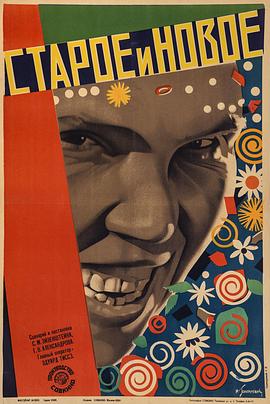
《总路线》是谢尔盖·爱森斯坦,格里高利·亚历山德罗夫于1929年创作的一部经典剧情片作品, 由Marfa,Lapkina,M.,Ivanin,Konstantin,Vasilyev等主演,在其它播出后引发了不少观众的讨论和好评。 影片通过Due to some common interests between German and Russian aristocracy ( the Russians even had aristocrats in their past not to mention they had an Empress called Catherine the Great, as great as this German count's heiresses… ), it is not strange that this …, 展现了创作者对于现实生活与情感世界的观察,因此常被不少观众称为“值得二刷、三刷”的剧情片。
很多影迷之所以推荐《总路线》, 是因为片中无论是故事线的推进,还是演员之间的对手戏,都有着比较强的张力和代入感。 当你跟随剧情慢慢深入时,会发现每个角色的选择背后都有其不得不如此的原因, 这也让整部作品在娱乐性之外,多了一层对现实与人性的思考空间。
从类型角度来看,《总路线》既保留了剧情片应有的节奏和看点, 又在细节上做了不少打磨:节奏方面尽量避免无意义的拖沓桥段,人物塑造上也不简单脸谱化, 而是通过多场戏份逐步丰富角色背景,让观众在追看的过程中逐渐理解他们的选择与矛盾, 从而对这部作品产生更深层次的情感共鸣。
如果你正在寻找一部既有故事性,又具备一定思考深度的剧情片, 那么《总路线》会是一个不错的选择。 无论是想在闲暇时间放松心情,还是希望通过剧情获得一些情绪上的共鸣与释放, 这部作品都能够在不同程度上满足你的观看需求。